Sunday, November 19, 2006

Random photos (a day in the life)


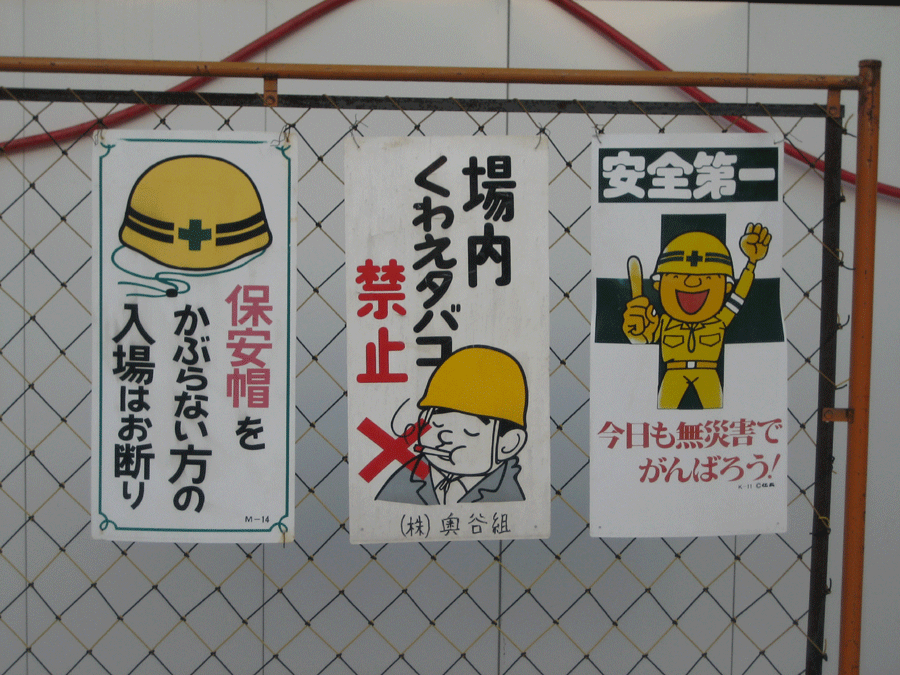
Cute construction signs (I can't imagine Sciame or Martin Building Company having a sign looking remotely like this- Safety Officer Doug Pollock, please take note).

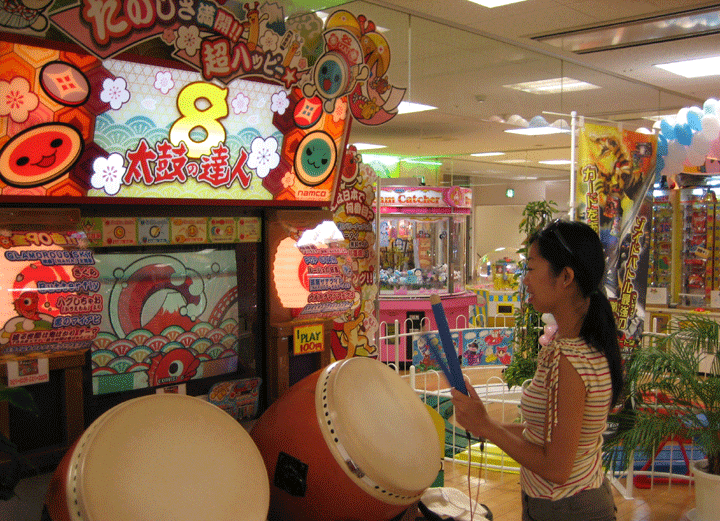
Taiko drumming- it's a cheap and easy way to have a good time, FAST. Drop 100 yen (or 200 yen for 2 people), pick a song, pick up the sticks, and start banging away at the drums in time to the music and the cute little color coded circles across the screen.

Anpanman: This character is famous and loved by all in Japan. Read more about him here. (highly recommended)

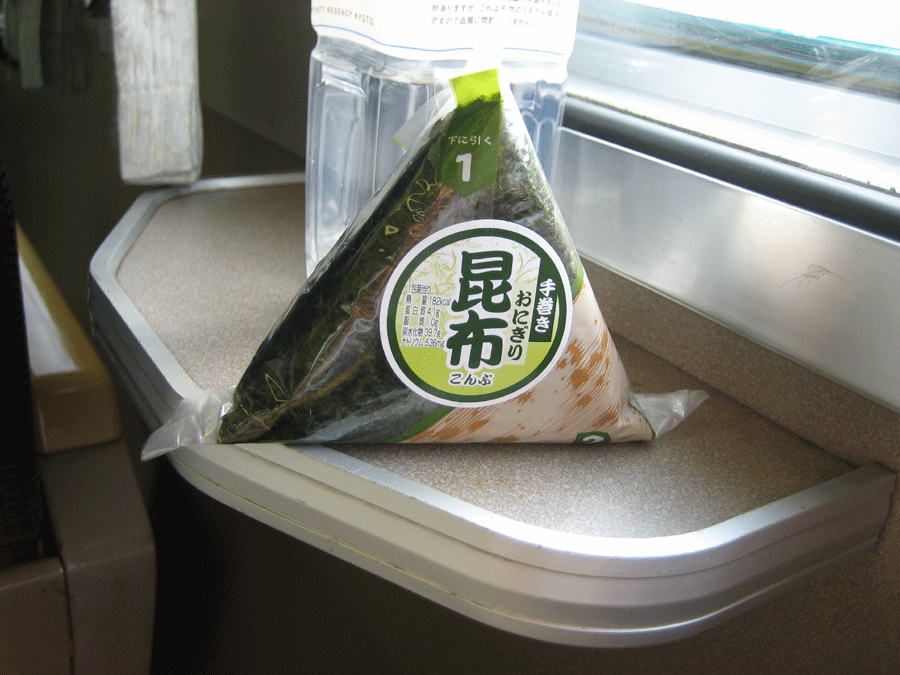
Onigiri- "rice balls" (more like "rice triangles") with different fillings such as tuna, pickled plums, salmon, fish eggs, etc... We lived on these cheap and easy snacks during our traveling. The packaging is ingenious- you peel off in 3 steps, so that the rice and seaweed are kept dry and separated until the moment you eat it. Pam, I hope you have moved on from eating these for dinner.

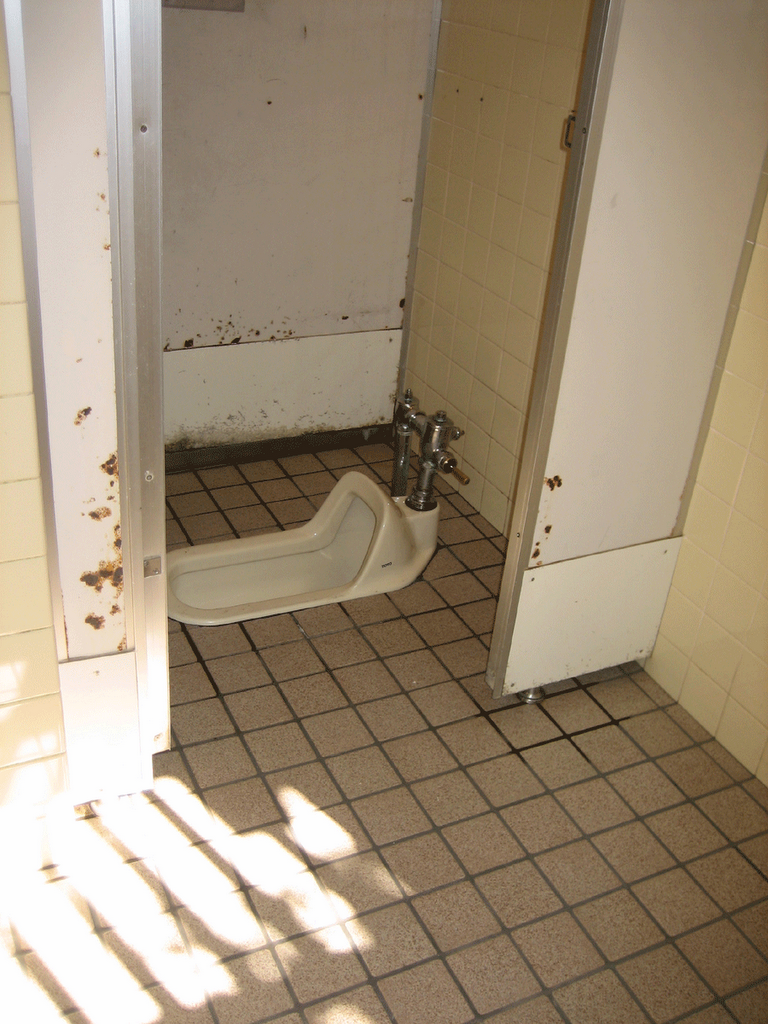
The "eastern toilet". It's no fun.

Tuesday, November 07, 2006

Kinosaki Onsen


The last leg of the traveling was to Kinosaki, a romantic onsen town about 2 hours northwest of Miyazu. We were only there for one night but it was definitely one of my most memorable. The wonderful Yoshidas drove me and Paul there after I got off work and took us to our wonderful little hotel/ryokan/onsen up a narrow little street.
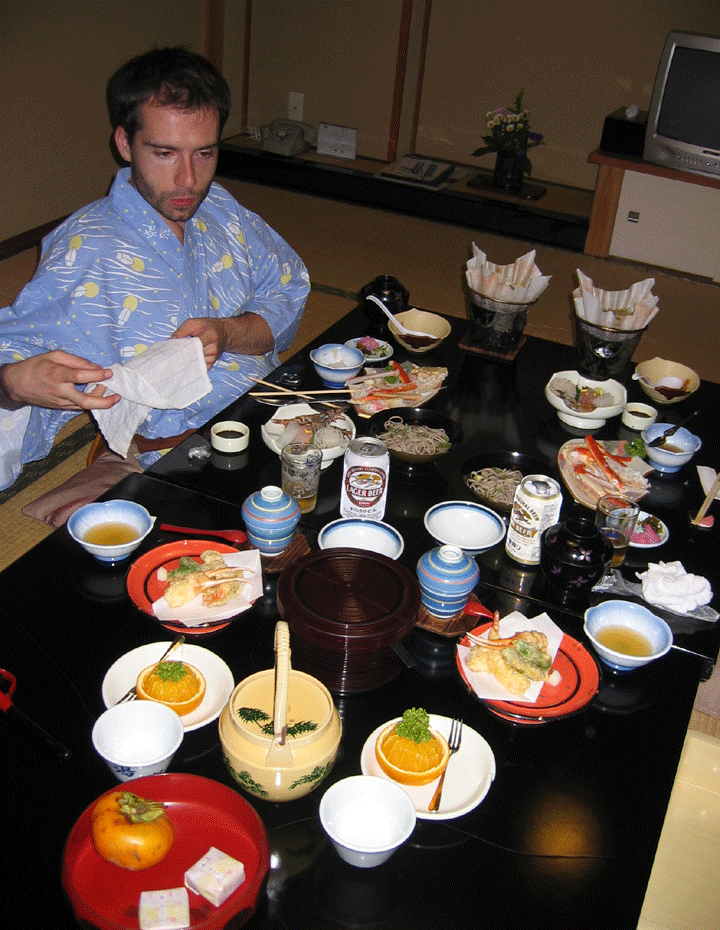
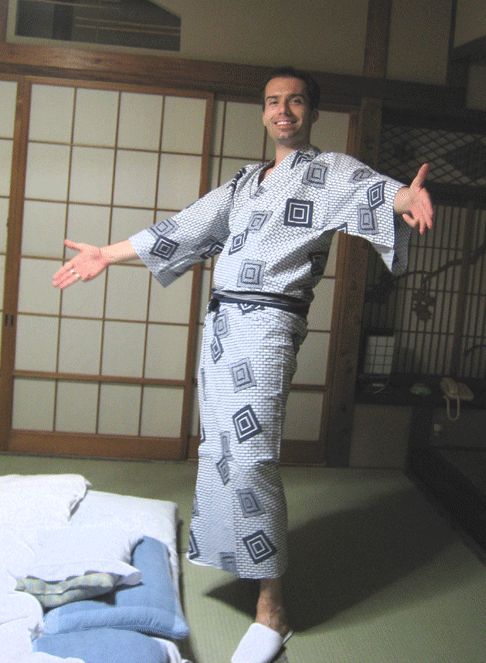
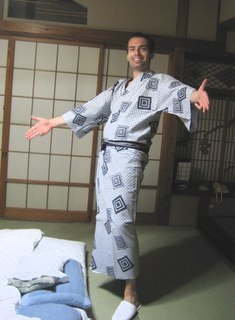
We barely had time to put our bags down and change into our yukatas when our dinner was served to us in our room by a gracous elderly hotel servant. She brought in trays and trays of food- and we had probably the most luxurious dinner I've ever had in my stay in Japan so far. There were plates of crabs, soba noodles, tempura, soup, rice, fruit and this cool soup uh, thingie... A votive candle was lit under a wire basket with what seemed to be a big white coffee filter filled with a dark broth. For some reason, the paper didn't burn- I guess because there was liquid in it, and the hotel servant woman had to give us detailed instructions on the order in which to place the assorted plate of raw meats and vegetables into the broth. When the candle extinguished itself, we assumed it was ready to eat- the soupy stew was rich and savory, the meat perfectly tender and the vegetables cooked to perfection.. It was a another long dinner and our legs suffered from sitting in such uncomfort- able positions. When the hotel servant came back (several times) to check on the progress of the dinner, I'm sure she was shocked to see Paul's legs stretched out underneath the low table and toes peeking out the opposite end!!
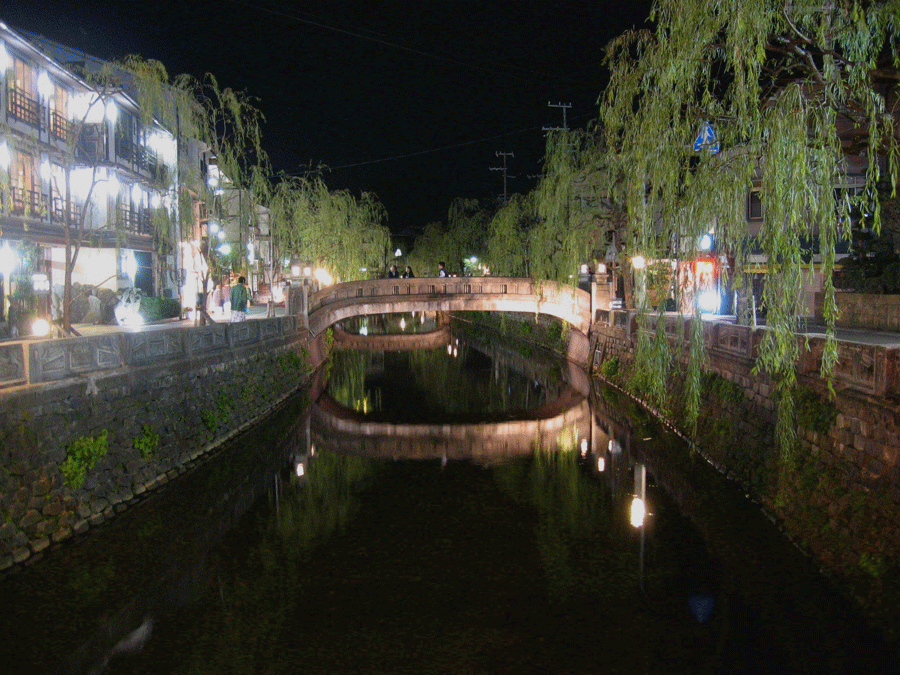
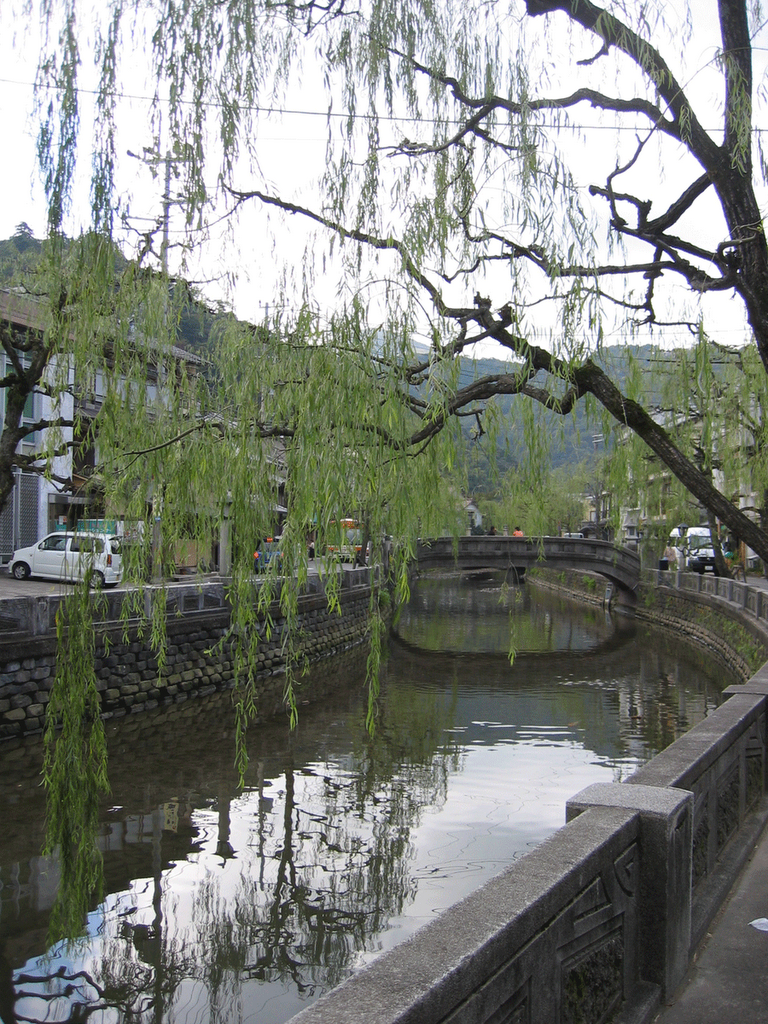
After dinner, we decided to walk it off by exploring the town. Everyone strolls around wearing yukatas as they walk from one onsen to another. We both tried on "geta" for the first time- the wooden blocks were not too difficult to walk in, but stairs were precarious. The town is really picturesque, like an Asian Venice, centering around a canal filled with huge colorful koi (carp) and lined with weeping willow trees. Stone bridges cross over the canal at regular intervals and white cranes perch along the water. We didn't visit any of the numerous onsens that lined the streets but we did enjoy a private soak in our hotel's onsen after we got back. I wish I took pictures of some of the funny signs throughout the hotel ("Bathloom", etc.).
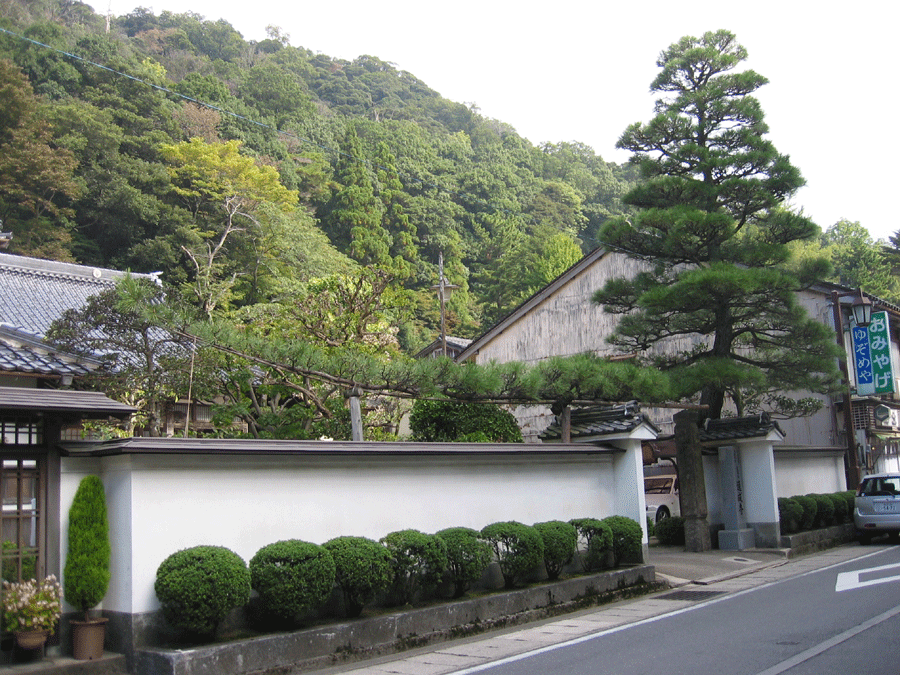
The next morning, an equally impressive breakfast was served to us in our room (fish, egg, soup, rice, stewed vegetables, pickled vegetables, seaweed, fish, and yogurt. Before heading back to Miyazu on the cute little blue train, we wandered around town, poking into the various shops and checking out the beautiful landscape. (Check out the branch on the pine tree).

Monday, November 06, 2006

Koya-san


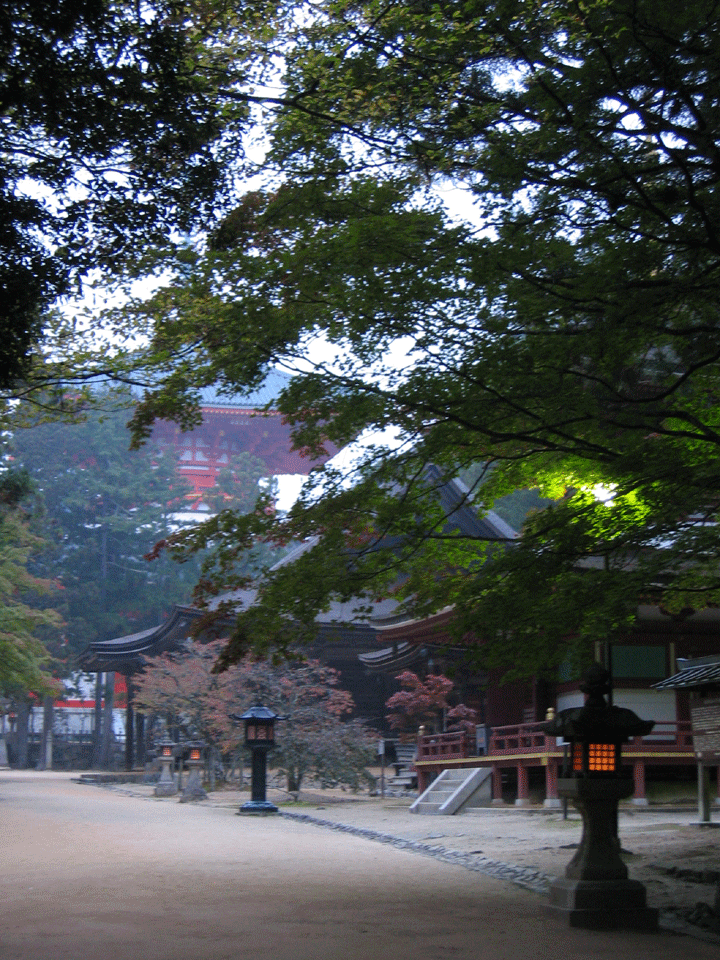
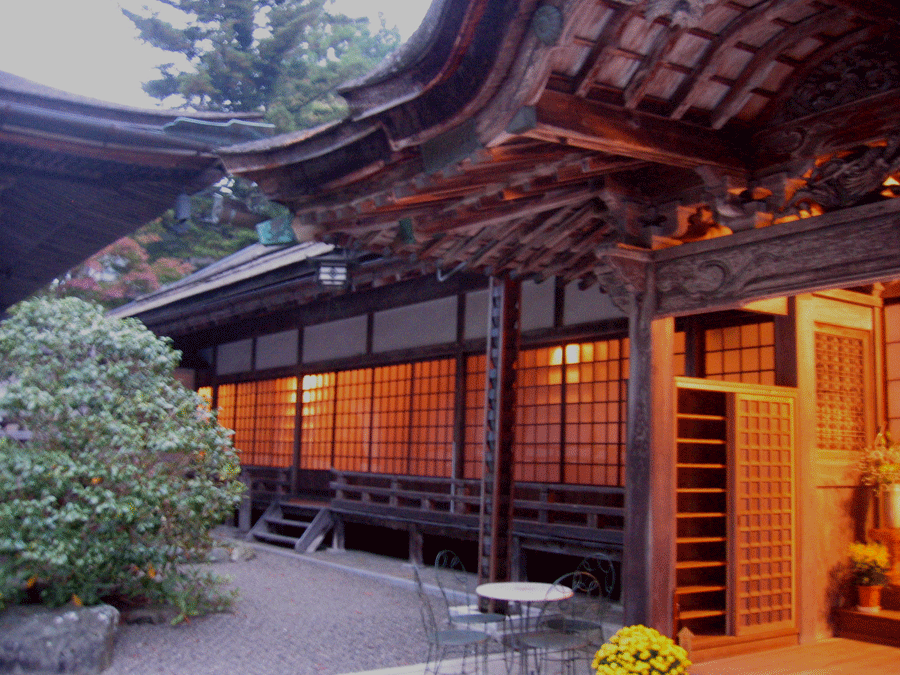
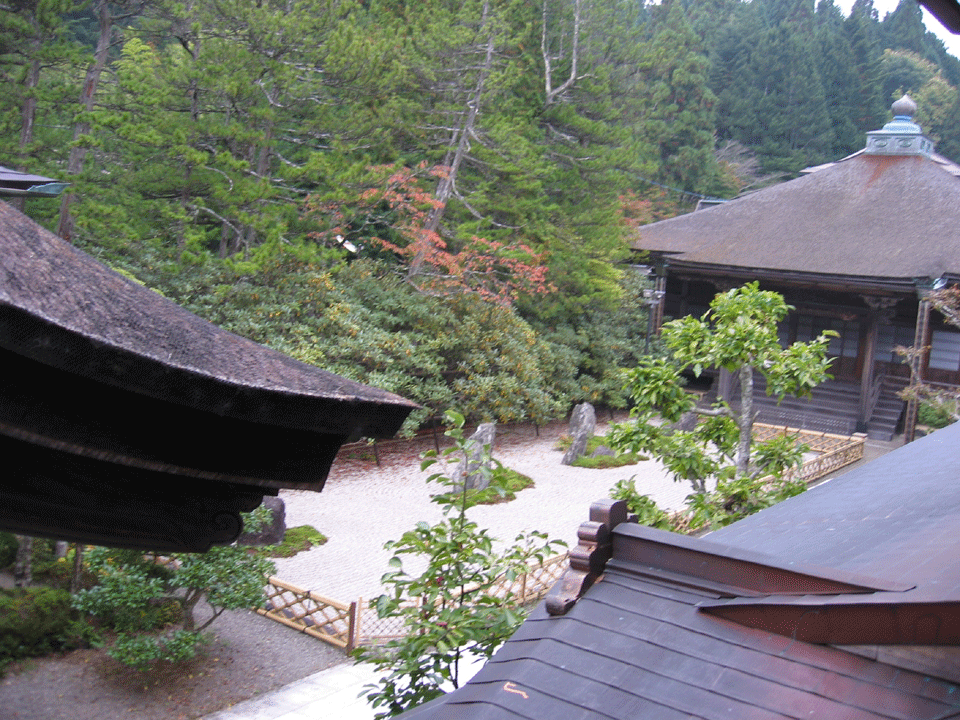
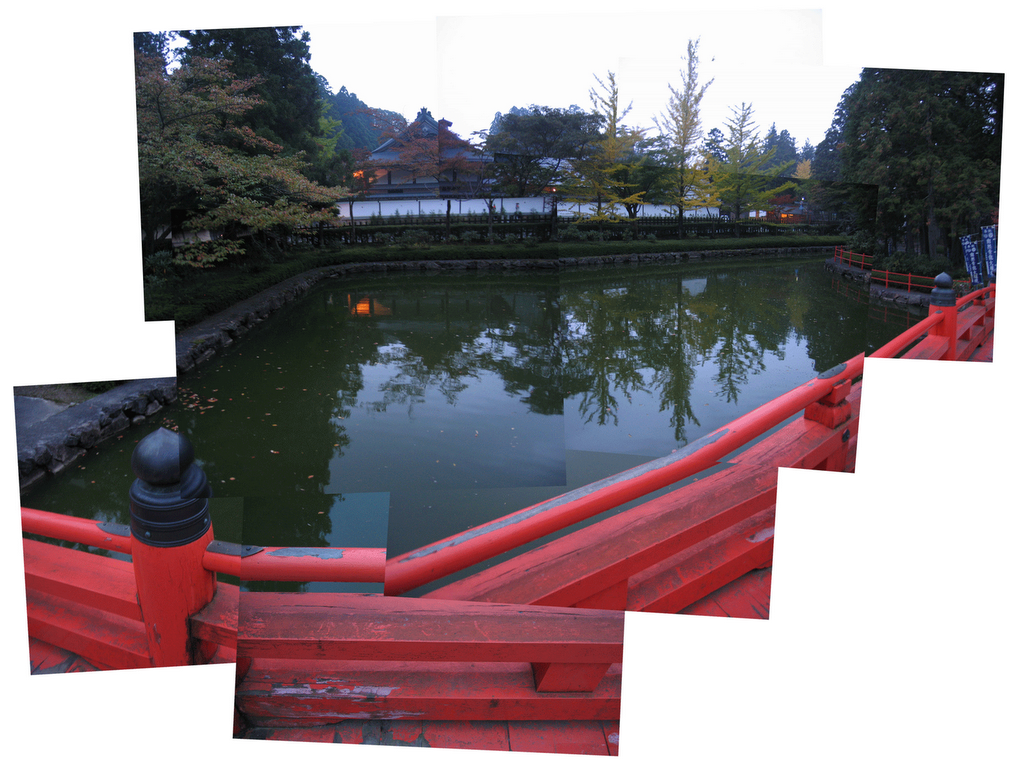
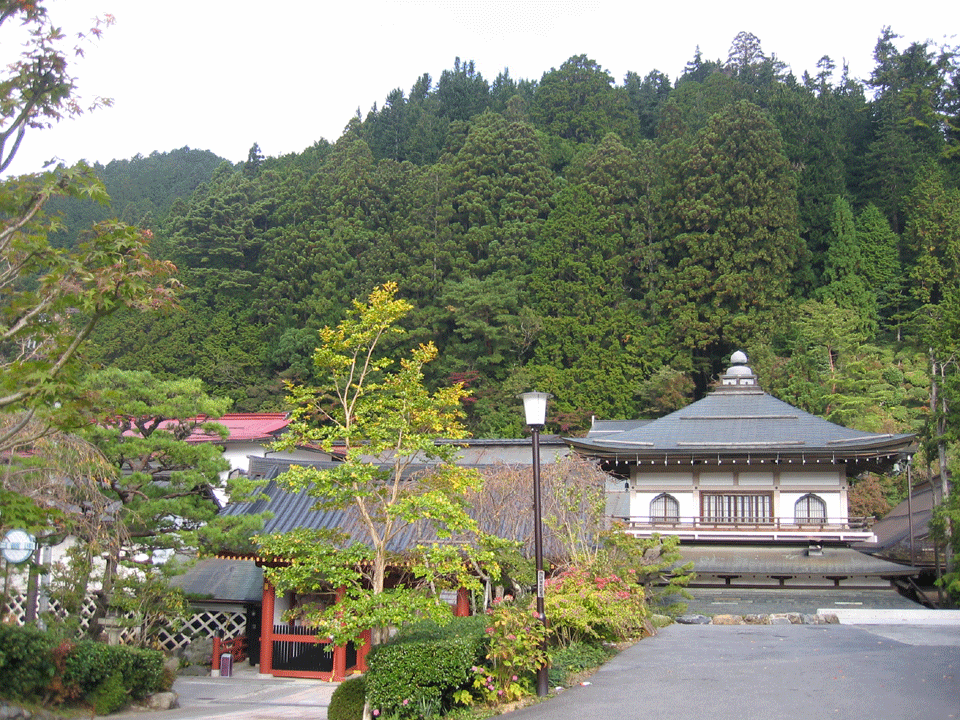
We left the coast and began our dizzying journey to Koya-san, a mountaintop monastic complex that is the center of Shingon Buddhism. It was several hours away by train, then cable car, then bus, then by foot. Hundreds of temples are nestled here and thousands of shaven head monks call Koya-san home. There are no hotels here so visitors stay at "shukubo" (temple lodgings). A young monk welcomed us to his remote, quiet temple, and in perfect English, explained the process of staying at the shukubo. We were to be inside of the temple gates by 6pm, eat our dinner (entirely prepared by the monks with no meat, fish, garlic, or onions) in our room, and we were to meet in the temple hall at 6.30am for morning prayer the next morning.
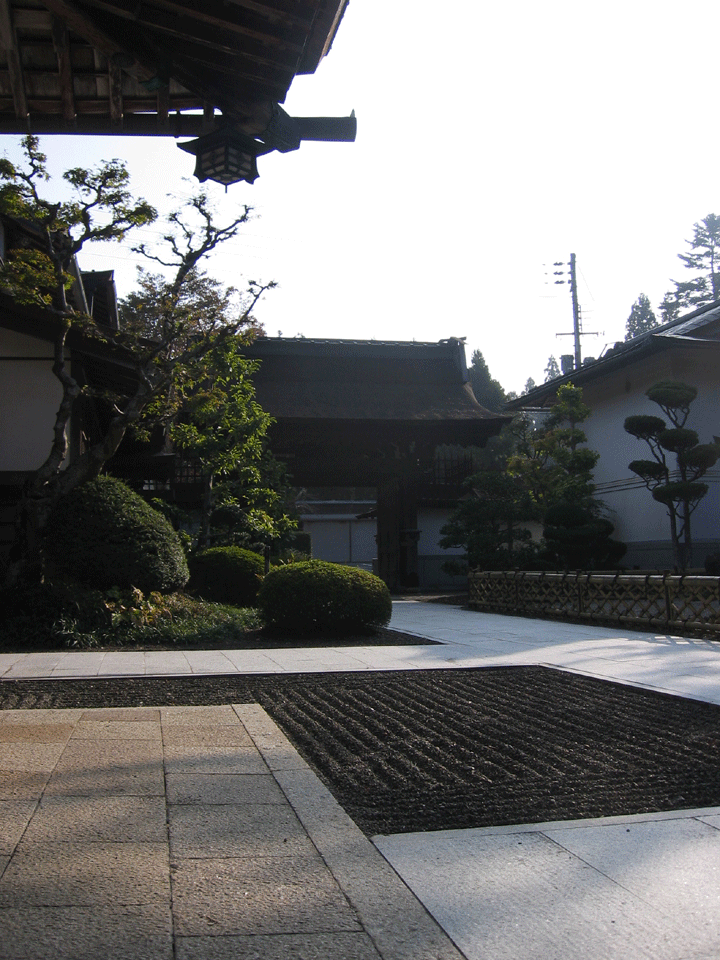
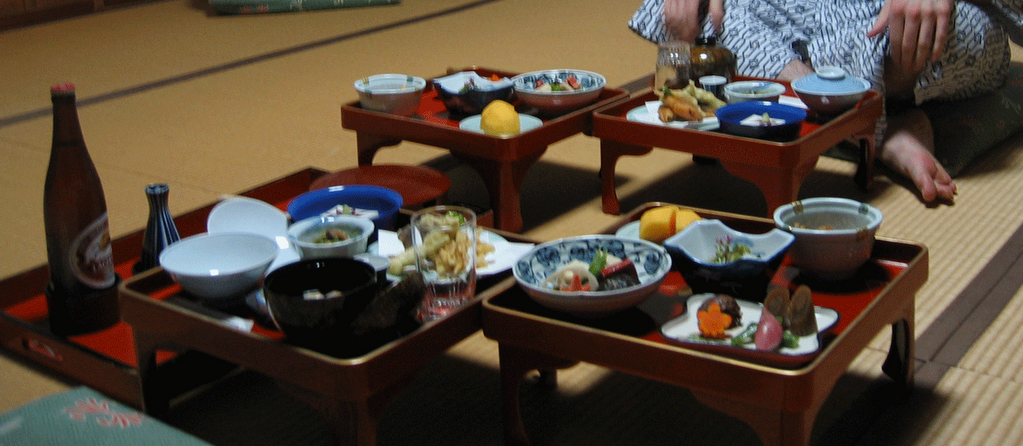
Our traditional Japanese room was sparsely decorated- tatami with a low table and some cushions, a view of a very serene rock garden, and a TV (I know, so random). The shojin ryori (vegetarian dinner) was interesting but oishii (delicious) and consisted of many kinds of gluten and tofu, roots and vegetables, tempura, soup, and fruit.
The next morning, we shuffled into the temple hall for the morning prayer and sat "seza" style, on our knees with our toes tucked beneath us. The room was dimly lit with candles and lanterns, and the early morning light filtered through the intricate dark wood screens. Three monks (one of whom was the one who greeted us the day before) in saffron colored robes began chanting ancient Buddhist scriptures and I got lost in the deep mysterious droning... the gilded shrines seemed to come alive with the flickering light and the air was heavy and thick with incense. This calmness lasted only a few minutes when I noticed the aching feeling of my legs. About 3 minutes later, I couldn't even hear the monks as my legs screamed for freedom. I finally unfolded my throbbing legs and had to sit cross-legged (considered SOOOO rude, especially for a woman!) but I couldn't do anything about it.
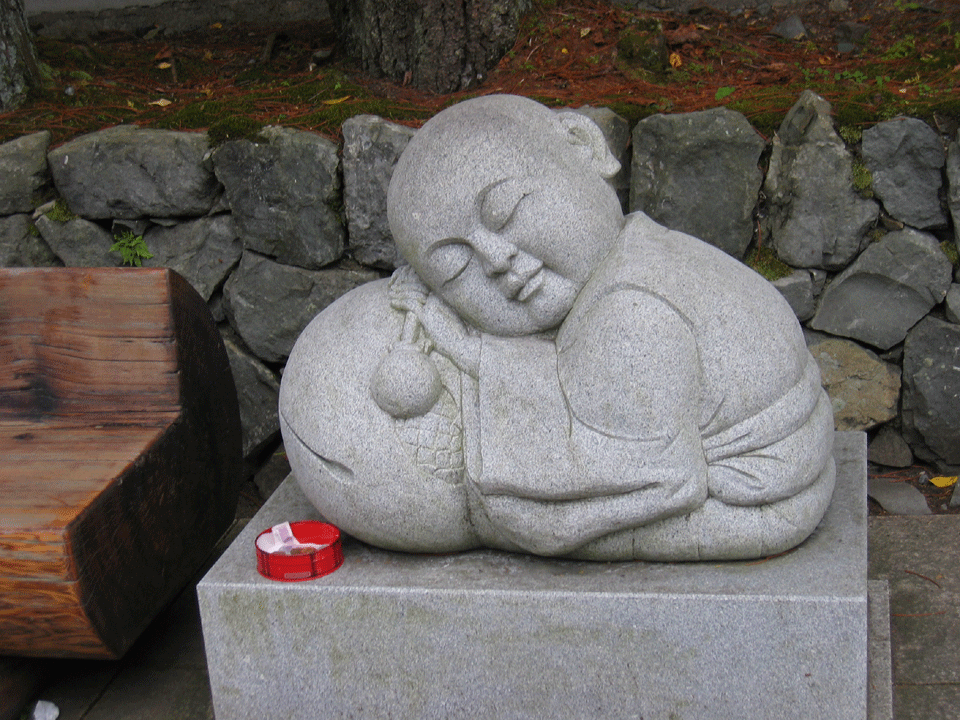
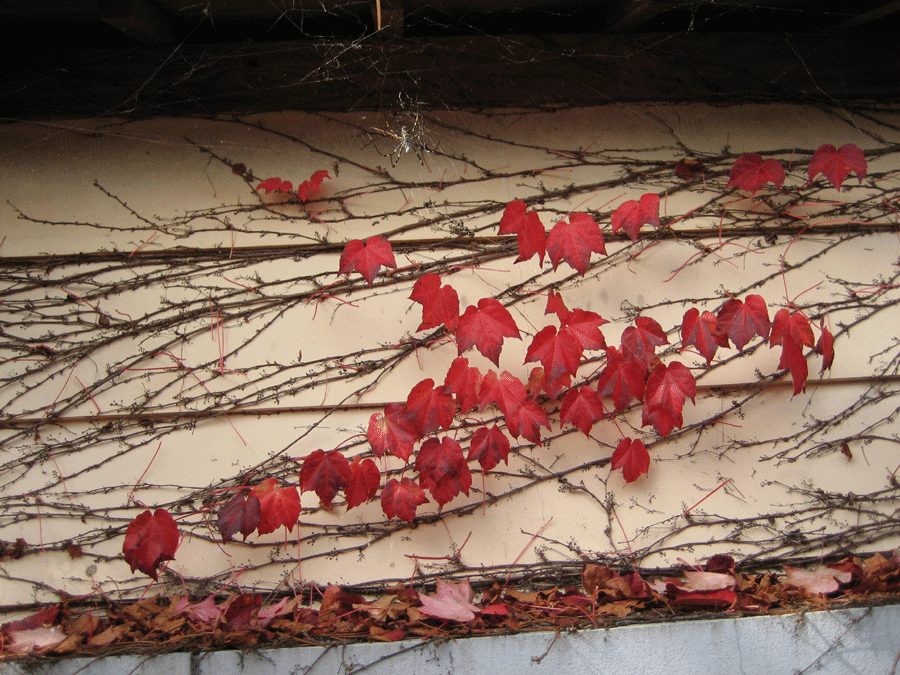
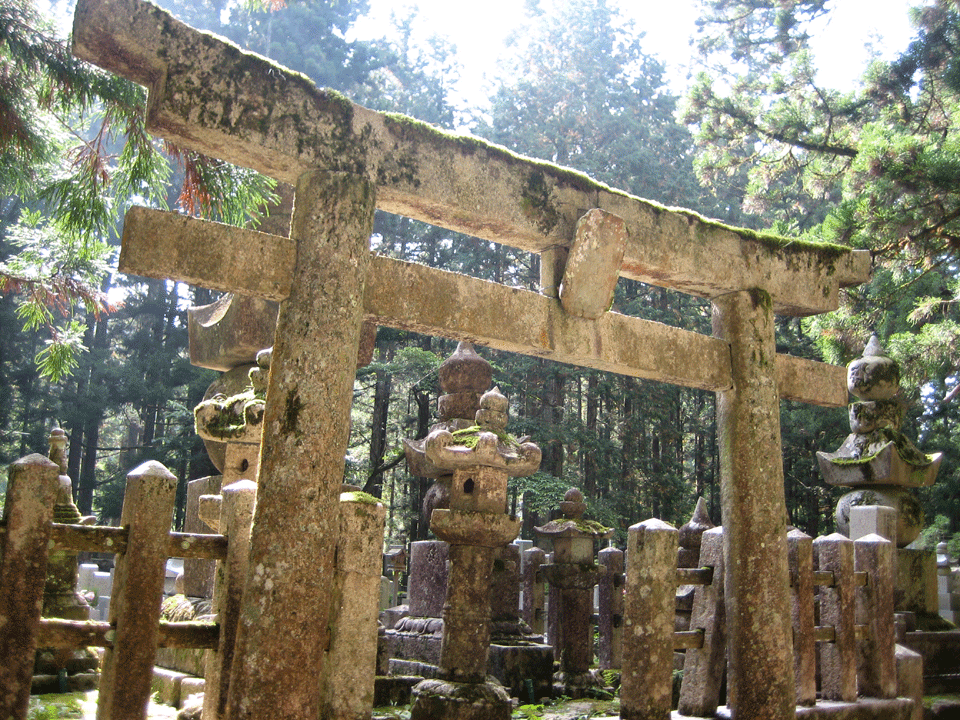
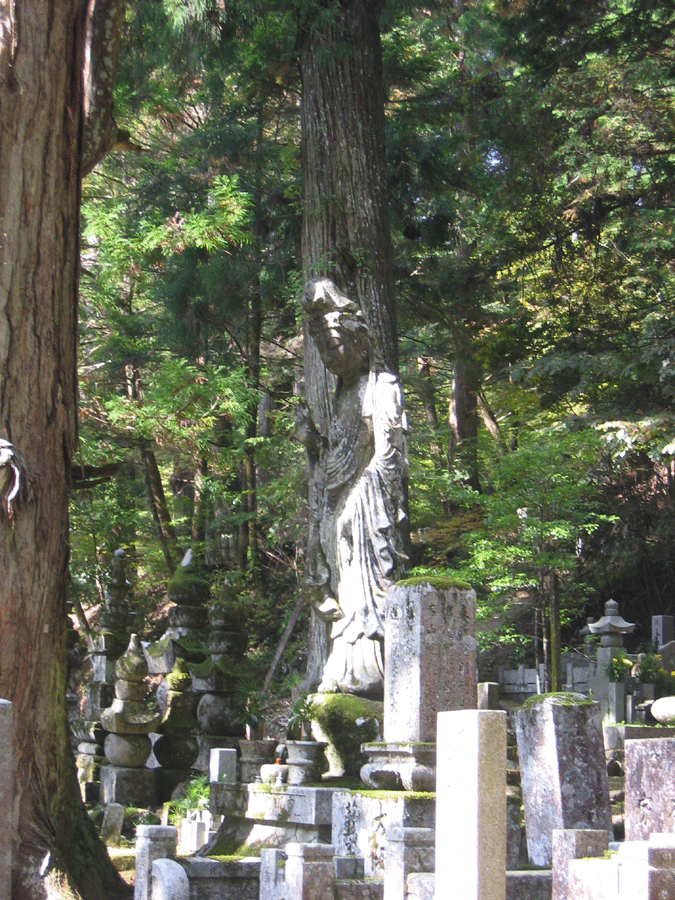
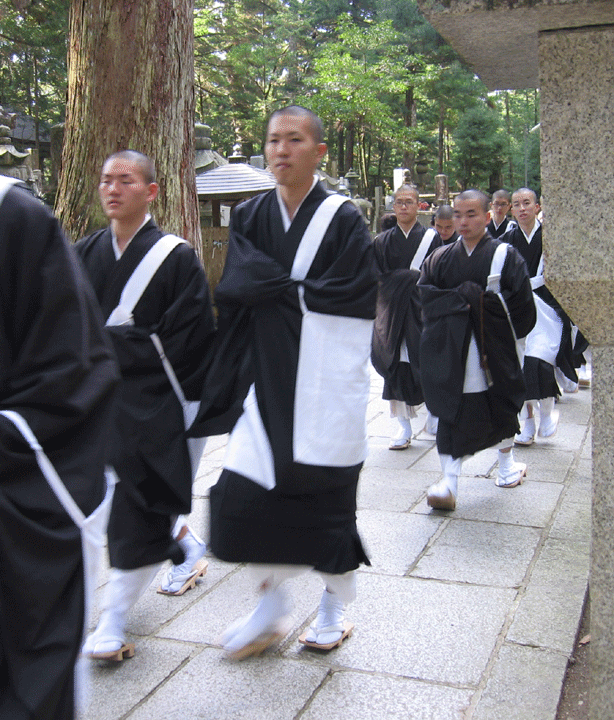
When we came back to our room, our futons and bedding had already been folded and taken away (I always wonder- what if I wanted to take a nap?) and we sat down to another traditional vegetarian breakfast (soup, rice, gluten? tofu? vegetables, nori, and tea). With such an early start and a hearty breakfast, we headed out to explore Koya San's expansive ancient cemetery. The leaves of the maple trees were tinged with red and the air got cooler as we neared the shade of the towering cedar trees. In the cemetry, the sunlight streamed through the trees and we followed the stone path lined with thousands of moss-covered stone pagodas, statues, tombs, and graves. There are like 500,000 tombs in the mountain precincts, the oldest dating to the 9th century. There were also many small statues with "bibs" which represent babies who have died.The idea behind all the tombs is that anyone buried there (if only a lock of hair or a tooth or two) is in the pole position for the return of the Buddha of the Future. At one point, a troop of monks in black and white robes marched past us, followed by several packs of smiling uniformed high school students, each calling out a cheerful "ohayo gozaimasu!!" (good morning!!) It must be the fresh mountain air- I can barely get my students to mutter a "hello" or a grunt first thing in the morning!

Sunday, November 05, 2006

Japan's Pacific Coast


A three hour train journey south took us to Shirahama, a beach town on the western Pacific coast. It is a popular resort destination in the summers, when it is the “proper time” to go to the beach. God forbid that anyone go to the beach in mid-October!!!! I would recommend this to any traveler- avoid the summertime crowds- we were probably 1 of about 10 tourists in the area, and basically could do whatever we wanted. No lines, no crowds, no annoying loudspeakers with crazy Japanese muzak! In a way, it was kind of creepy not to have a soul on the streets but with the amazing warm weather and clear waters, we weren’t complaining at all!
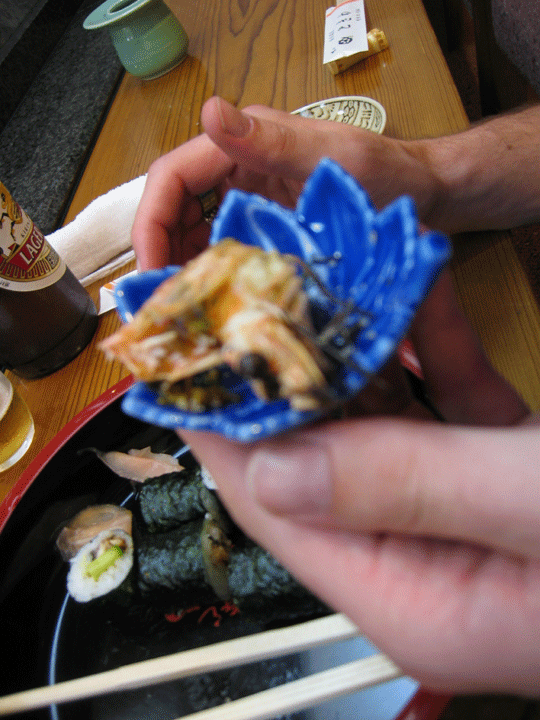
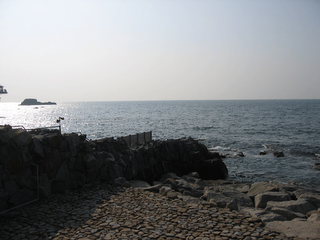
We walked along the coast, picking seashells, skipping rocks, and taking photos of all the weird flora and fauna. We watched the sun turn as red as the Japanese flag and then sink behind the Pacific. We stayed at a traditional minshuku (a kind of Japanese style B&B) where we wore yukatas and slept on futons on the floor. Despite our little Japanese vocabulary, we decided to chance it and go to a sushi restaurant- and we had one of those Japanese experiences where you the sushi chef just served you whatever he felt like: raw shrimp (ama ebi), fried prawn heads, raw squid (ika), raw clams, all kinds of fish eggs and roe (uni, ikura, kazunuko, obiko)…. It was a suspicious but delicious meal.
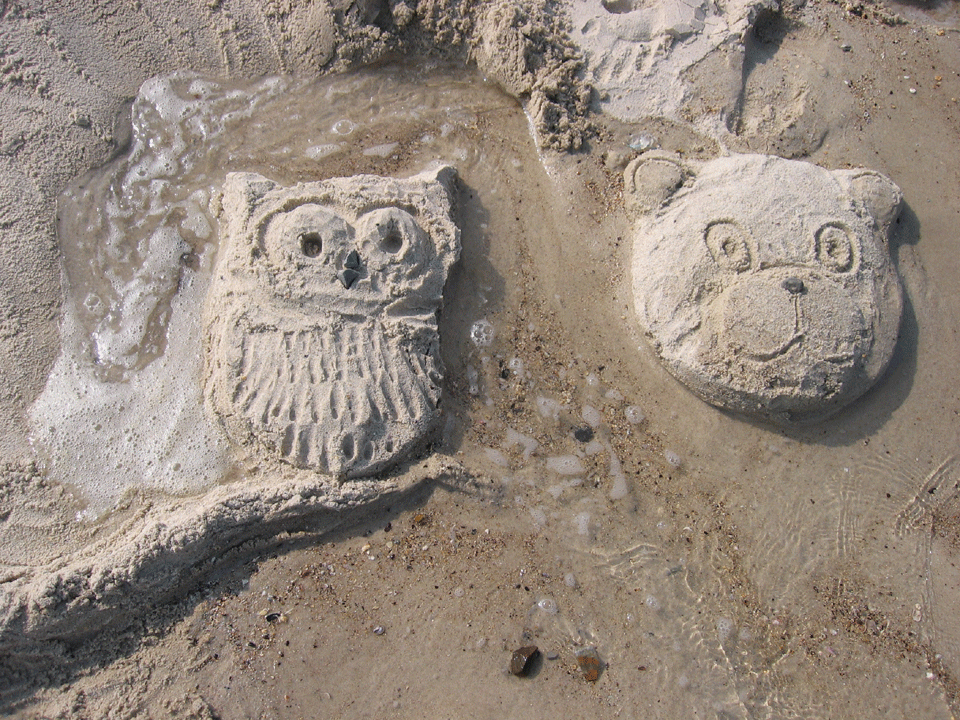
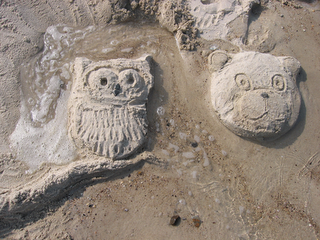
The next day we played in the sand, took naps, and had a picnic lunch on the beach, catered by the local grocery store. We had a large assortment of sushi, tempura, chirashi, fruit, and sweets.
Aftewards, we went on a long walk along the coast...and thus began one of the most magical walks I've ever taken...
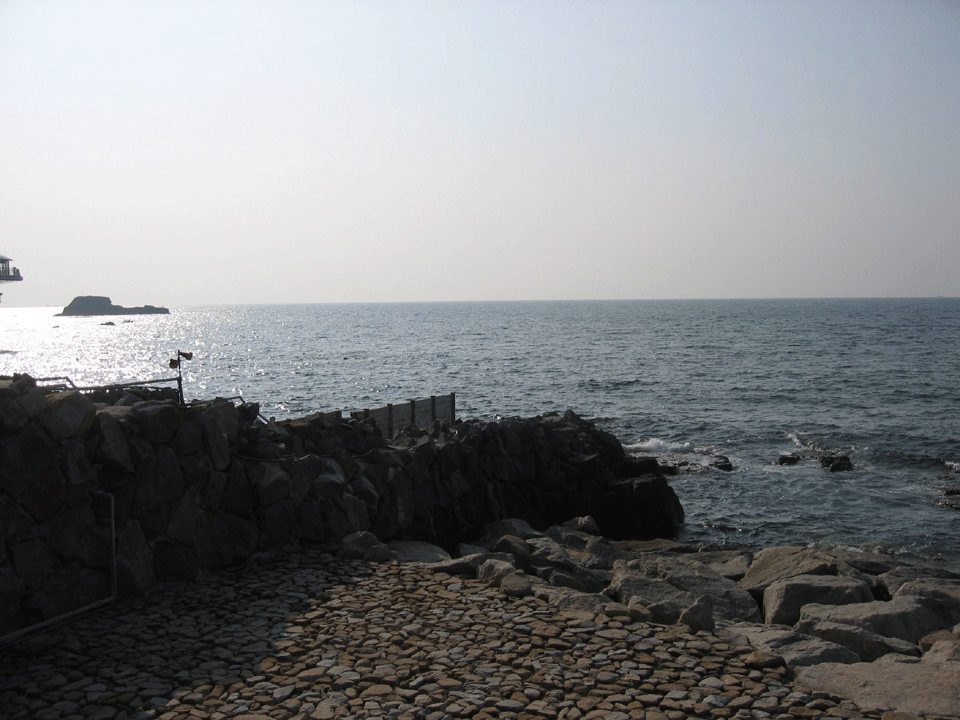
The first place we found was an open-air onsen (rotenburo) in the rocks that tumbled down to the Pacific Ocean. It was Paul's first onsen experience- you have to go totally nude (men and women were separated by a bamboo wall) and you have to shower yourself off before you enter the sacred pools. The smell and steam of the sulphur was really strong, but it was a fantastic experience to sit in the steaming hot water with the waves of the Pacific crashing and splashing onto us only a few meters below us!!! Huge rocks protected us from any peepers although it didn't seem like anyone in the onsen seemed to shy to just bare it all.
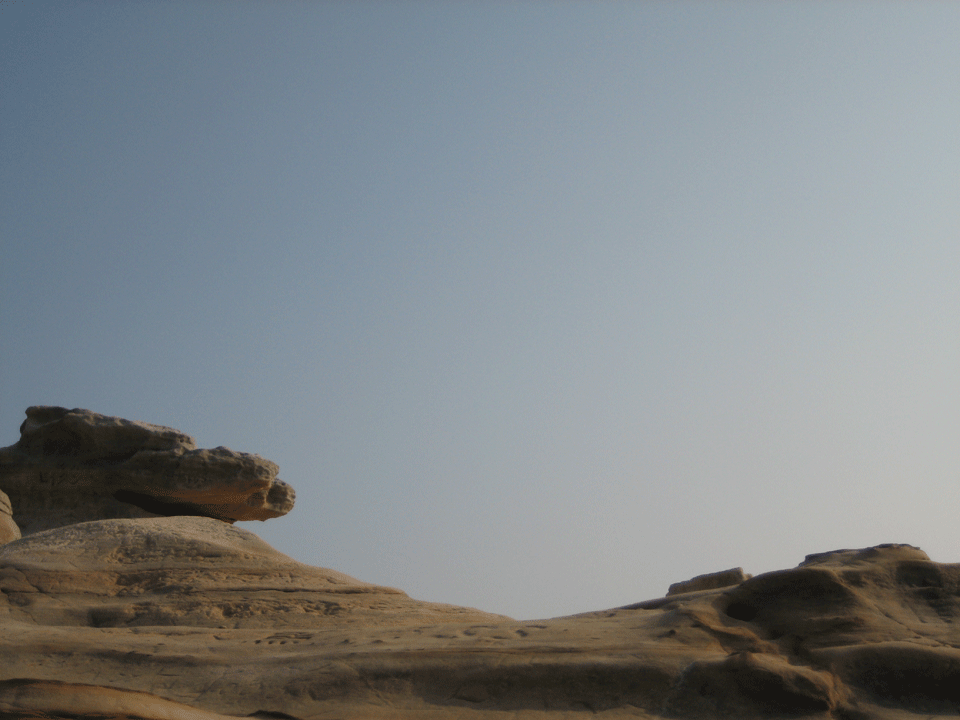
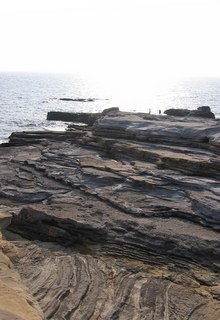
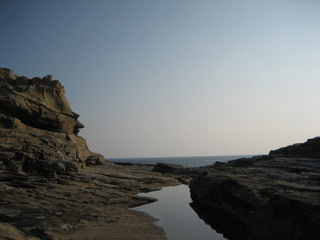
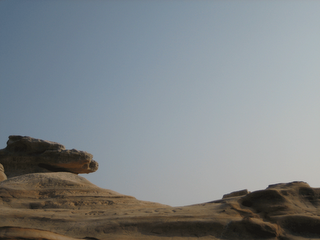
After this, we walked a few kilometers farther and came across Senjo-jiki, a huge multi-tiered rock (named because it looks like a thousand tatami mats) created by the erosion of soft sandstone by raging waves. It was a very Star Wars like environment. It probably ranks up there among the top three most beautiful places I've ever been. The low sun turned the carved rocks a golden yellow and we watched the dark blue Pacific for awhile.
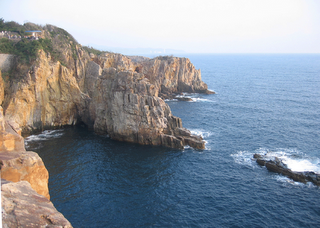
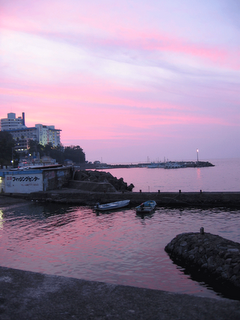
We had one more stop at Sandan-beki so we reluctantly continued on with our hike. Sandan-beki has 50 to 60-meter-high precipitous rock walls (not unlike the cliffs along Highway 1 in California). Although it was stunning, it didn't blow me away like Senjo-jiki did. There were chains and signs in Japanese warning against those who were contemplating suicide. We watched the sun get lower and lower and realized that we had to book it to make it back to the minshuku before it got too dark and too cold. We made it back just in time to see the sky turn a beautiful pink purple and then the stars came out one by one. This is one of the most romantic places I've ever been, and I'm so glad I got to share it with Paul!
Paul and Laurie in Kyoto


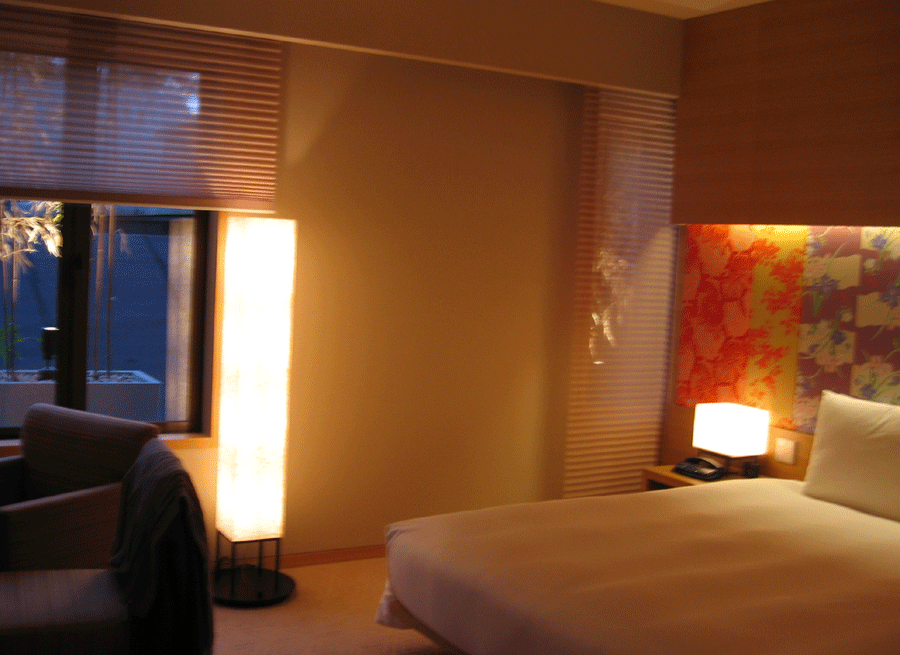
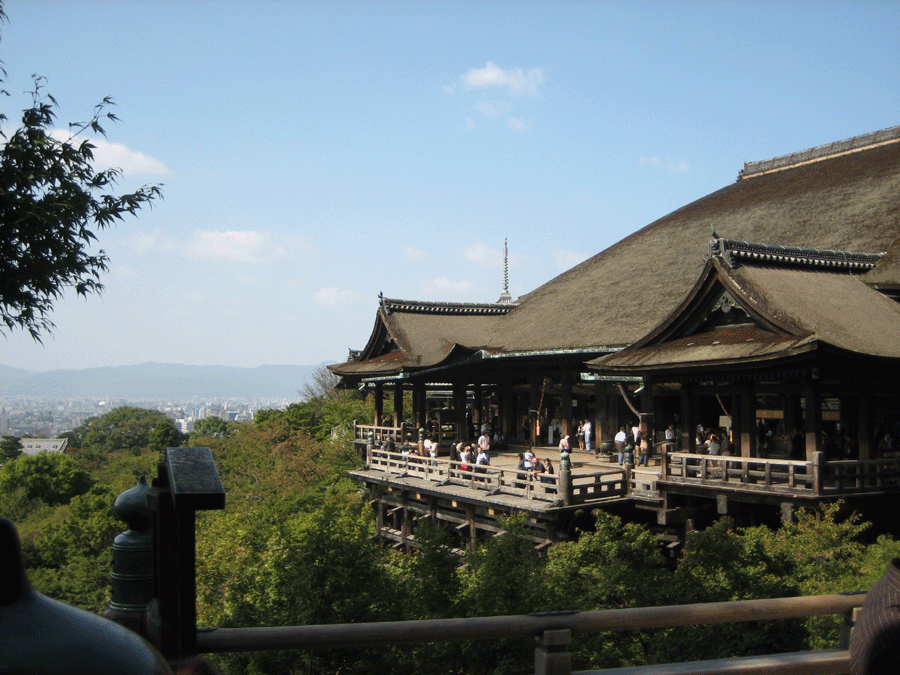
We started off the trip staying at the new Hyatt Regency in Kyoto. Normally, I’m not a fan of staying at the big chain hotels, but this was really something else. It was brand new, had beautiful interiors and landscaping, awesome service, and of course, a wonderful flushing toilet (I'm so easily impressed). Our first day, we explored the Higashiyama area, east of the hotel. Nestled in the mountains is Kiyomizudera Temple, which was built without any nails or screws. The stilts supporting the temple disappear like the tree trunks in the mountains and you get a commanding view of Kyoto’s varied landscape. The trees were barely beginning to change colors, but in a couple weeks, this place will be ablaze in red and orange. There are a ton of cool little streets winding around with little shops selling souvenirs, mochi treats, pottery, and everything else you would ever want… We even saw a couple of geisha(s) and ended up window shopping in Gion and Nishiki Market.

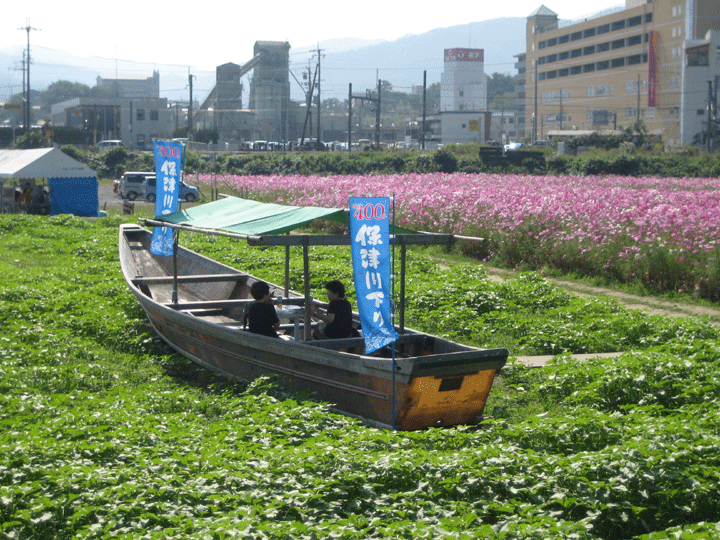
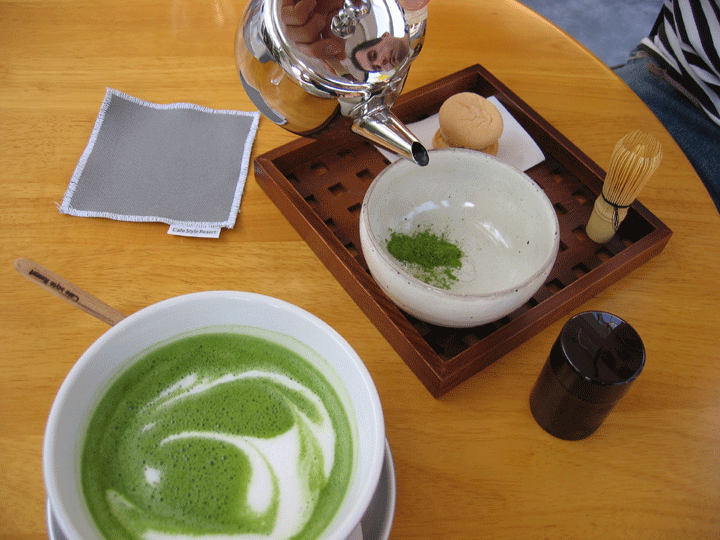
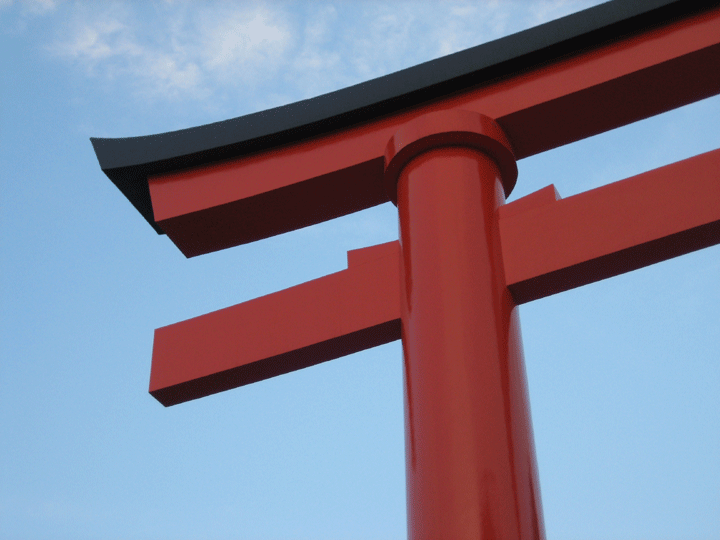
The next day, we went on a boat trip on the Hozu-gawa River. On the way there, we walked by two women drinking tea in a boat in a field of wildflowers- it was a really beautiful image. The weather couldn’t be any more gorgeous for winding around in the white water canyons of the mountains. Our boat was “poled” around boulders, and we just floated down in crystal blue green waters….. Afterwards, we went to the beautiful spa cafe place and had the most delicious green tea latte. We also checked out the Fushimi Inari shrines where one of the scenes in Memoirs of a Geisha was filmed. There are hundreds of orange gates marching up the paths around the mountains. Now I have to read up on Christo’s inspiration for “The Gates” in Central Park... Unfortunately, we went right around sunset and it was getting too dark to be able to see. I have to go back and capture the place in all of its glory!
Monday, October 30, 2006

Yakiniku (Fired Beef) Dinner


A bunch of us from the volleyball team went out and got dinner the other night. We had the usuals: intestines, stomachs, tongues, raw beef with a raw egg and seaweed… I think I polished off most of the salad (apples, lettuce, tomato, and cabbage) because I was starting to get a little queasy….

Sagano (Japanese Resort Style Café)


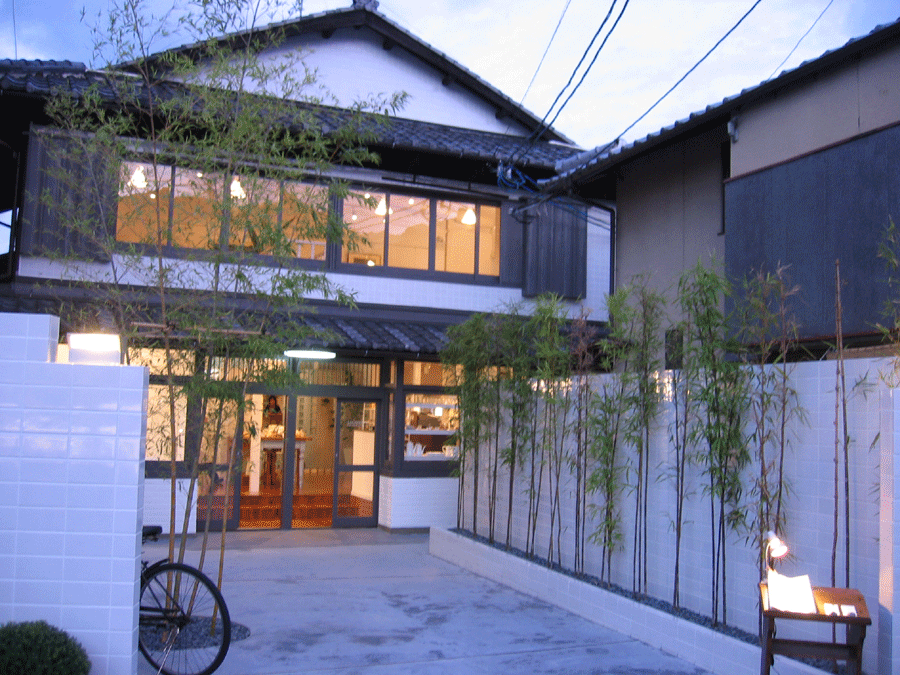
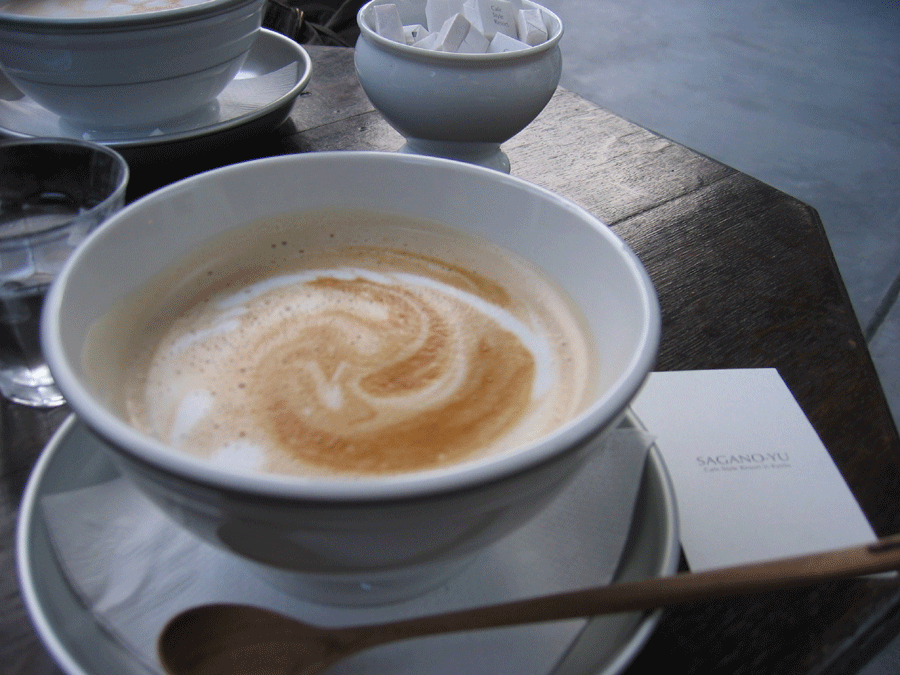
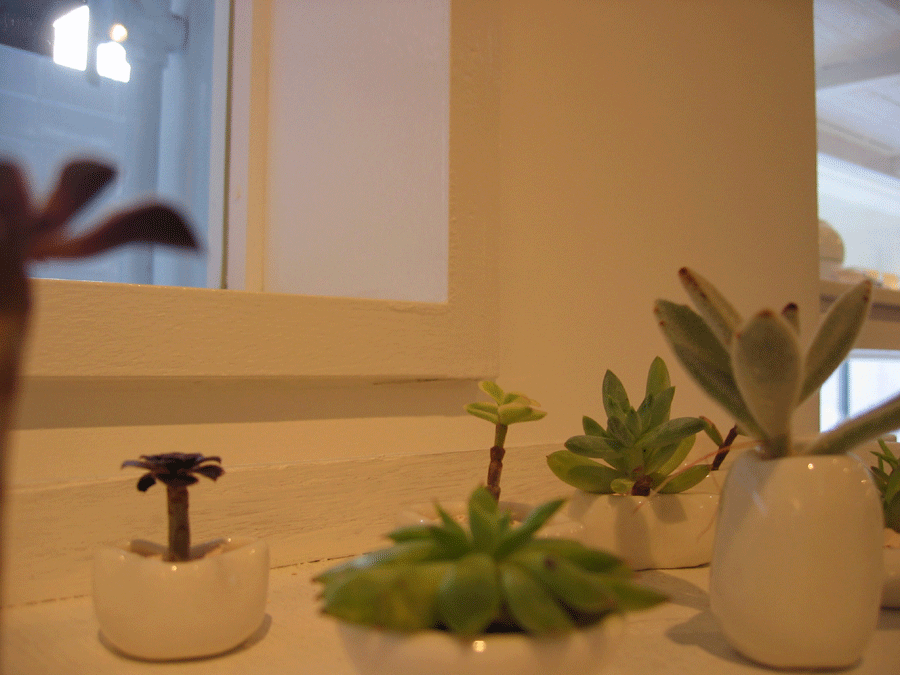
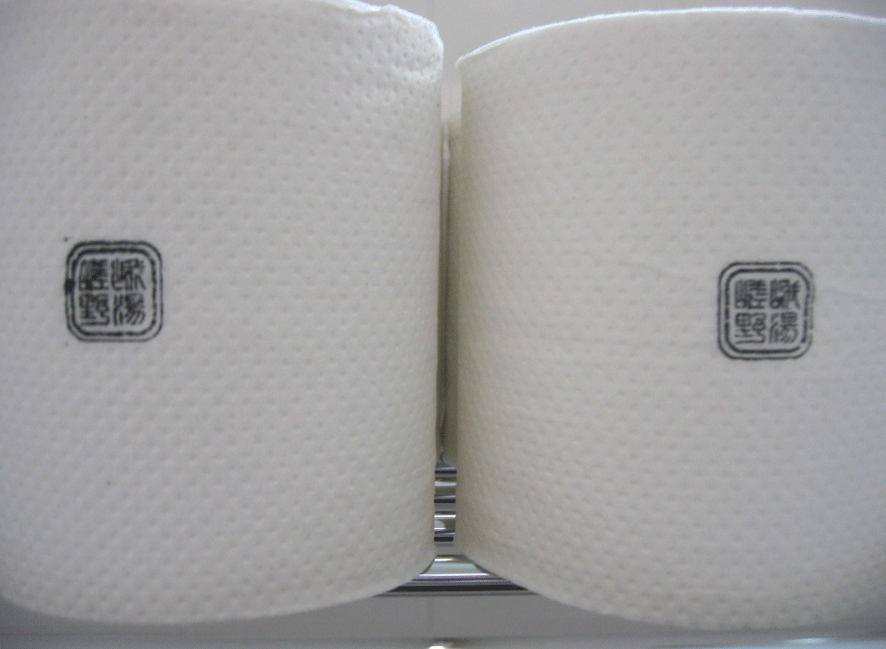
For discerning coffee and tea drinkers…. this off the beaten path café is one of the most Western places I have seen in Japan. It is serene and beautiful and I actually want to live here. It’s part San Francisco, part Japanese, part French, a former spa that was converted into a café on the first level and an art gallery on the second level… Exposed bricks, smooth, warm, hardwood floors, tiled fountains, candles, delicate bamboo, tiny little succulents in tiny white pots, and a garden with a beautiful maple tree,.. Oh, and the café au lait comes in a bowl with a wooden spoon. And the bathrooms smell like lavender and rosemary. They even stamp their toilet paper with their logo. I mean, really.